By Nnaoke Ufere, PhD
I was having dinner with friends in the U.S., a gathering of supposedly cultured Nigerians who should know better, when something unworldly and frankly disgusting happened.
The table was graced with steaming plates of fufu and rich, aromatic okra soup. But as I reached for that divine dough with the only tool God and tradition intended, the hand, I looked up and saw a culinary abomination.
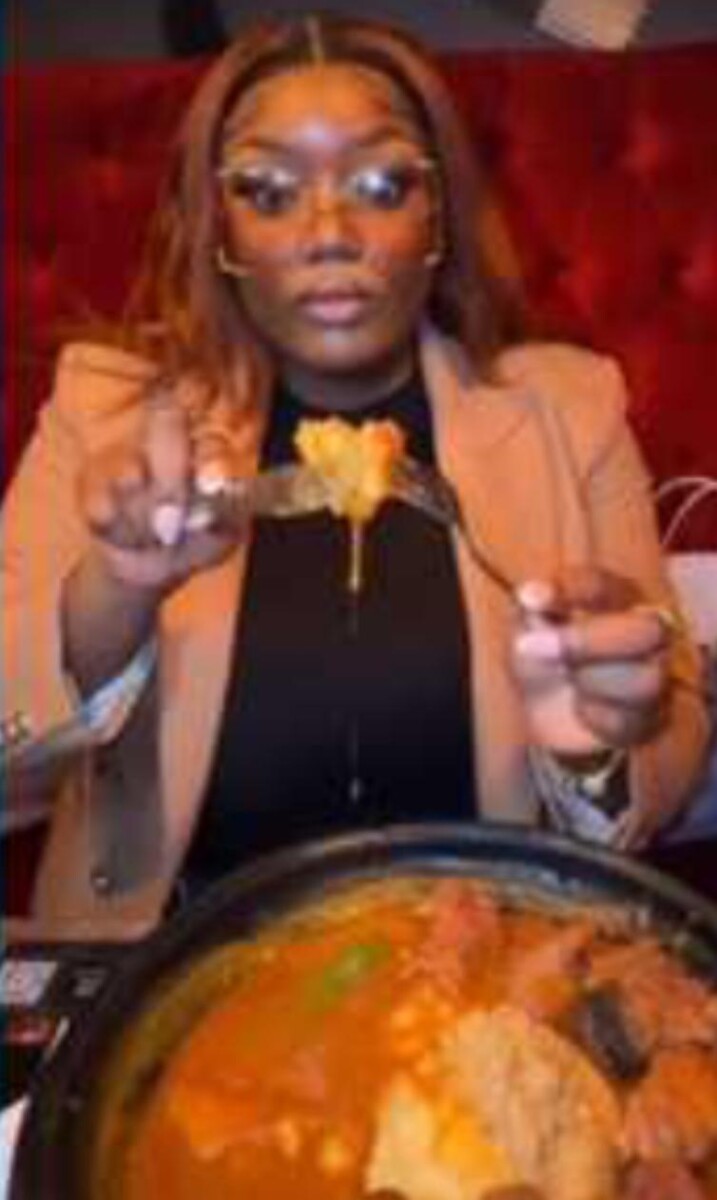
Everyone, except me, was using cutlery. Forks and spoons. Yes, forks and spoons, to eat fufu. They held them awkwardly, fumbling like toddlers to shape the fufu into something scoopable, only for the soup to slide off or drip helplessly back into the bowl. Yet they poked. They prodded. They persisted. But the okra said no. It clung to nothing, recoiled from the metal, and refused to submit to this unfamiliar ritual. The meal became a battle, and the okra was winning.
I watched, quietly horrified, as stainless steel scraped against porcelain in what felt like a clumsy performance of a tragic opera of cultural amnesia. The fufu, meant to be gently rolled, dipped, and savored, was being prodded and sliced like uncooked yam. And the soup, rich and dignified, refused to cooperate, slipping off those cold utensils in protest, as if to say, “This is not how it’s done.”
Then came the spectacle I had hoped to avoid: the attempt by someone to tackle a cow leg with a damn fork and spoon. A complete disaster.
The cartilage, so cooperative in the hands of someone who knows the rhythm, turned slippery and defiant under the fork tines. The fork jabbed, twisted, then gave up entirely, as the cow leg sat firm, wobbling triumphantly like a seasoned wrestler refusing defeat. In that moment, I could almost see the ancestors freeze, shaking their heads at this stainless-steel betrayal.
While the drama played out, I was focused on hand-rolling my fufu the way I always have. With my thumb and two fingers, I scooped the rich okra soup into the small cup formed by my hand, each movement smooth and familiar. Between bites, I reached for the cow foot, guided it to my mouth, and let my teeth take over. In no time, I was done. I rinsed my hands and sat back, watching the ongoing struggle with the fork and spoon unfold like a slow-motion disaster.
Let’s be clear: fufu is not meant to be lifted with a surgical instrument. It’s not a scoop of yam porridge at a hotel buffet. It’s a sacred act of communion, hand to food, food to soul. Eating fufu with your hands is not just a method; it’s a sacred ritual.
There’s something spiritual, something grounding about feeling the texture, gauging the temperature, and shaping each swallow with your own fingers. It is ergonomic perfection. It is sensory joy. It is finger-licking poetry. Every dip, every scoop, every post-meal finger suck is a tribute to ancestral wisdom, unwritten, unspoken, but deeply felt.
And yet here we are, in 2025, watching Nigerians eat fufu like colonized robots afraid of their own fingerprints. This is an elite malaise.
Some say the downfall of Nigeria began with bad leadership and corruption. Others say military rule. I say it began the day we started eating fufu with cutlery. That was the crack in the wall, the sign we had lost our way. A nation that can no longer trust its hands cannot build anything—neither roads, nor democracy, nor dignity.
In all my travels to countries in Southeast Asia, South America, the Arab world, and the Caribbean, one thing stood out: people often enjoy their food with their hands, proudly and without apology. It’s not just about eating, it’s about connection, tradition, and identity. They don’t see their way as primitive; they see it as authentic.
When we abandon our ways without thought, when we imitate without understanding, we dull our instincts. Creativity thrives on confidence in one’s roots. The blind adoption of foreign habits not only alienates us from ourselves, it teaches us to see our own culture as backward, something to be fixed or hidden, rather than refined and elevated. That mindset kills innovation. Because no matter how fast we run with borrowed tools, we can’t build a future on a foundation we’re ashamed of.
Let the record show: a well-washed hand is not just cutlery; it is culture. It measures the right bite, blends textures, and seals flavor with tactile memory. So next time you find yourself gripping fork and spoon over a bowl of egusi or ogbono, remember the simple truth echoing through generations: some meals don’t need shiny tools, only willing fingers and a little respect.
So to all my fork-wielding compatriots, drop the act. Drop the cutlery. Reclaim your heritage. Reconnect with your roots, literally. Because if you need a fork to eat fufu, perhaps you also need an English name to replace your surname.