By Nnaoke Ufere, PhD*
What is wrong with us?
A lot is wrong with us. Many of us do not register to vote. Many who register do not show up on election day. Some of us sell our votes. Some take bribes to rig elections for the same politicians who have caused harm and loss of life. We allow politicians to use tribal, religious, and regional divisions to turn us against each other.
We make it easy. We are willing participants in a system that works against us. We complain about the outcome, yet we help produce it. In that sense, we are our own worst enemies.
For many of us who watch this pattern repeat every election cycle, it is both heartbreaking and troubling. Few citizens anywhere in the world exhibit civic apathy and self-sabotage as starkly as Nigerians.
Until we face this honestly, nothing will change. Until we confront our own weaknesses and shortcomings, we will continue to be used and abused by politicians.
This is why a small group of corrupt and inept career politicians, along with their families and cronies, hold the advantage over 230 million of us. They understand a hard truth about Nigerians: the majority do not show up to vote when it matters most.
We rant and complain online about bad leadership, suffering, poverty, unemployment, rising living costs, insecurity, and hunger, but on election day we stay home. Even among those who show up at polling stations, many still sell their votes to the highest bidder.
According to the latest figures released by INEC, voter registration for 2027 general elections remains far below the number of eligible Nigerians, with new registrations failing to keep pace with population growth or past election cycles. This is worrisome.
The data points in one direction only. Fewer people are preparing to vote, and if nothing changes, turnout in 2027 will be even lower than the historic low recorded in 2023.
Voter turnout keeps collapsing, from 53.7 percent in 2011 to 43.6 percent in 2015, down again to 34.7 percent in 2019, and then a total disgrace in 2023 at 26.7 percent. Barely one in four registered Nigerians showed up to vote.
This decline becomes even more troubling when we consider the scale of our population. We are about 230 million people, and roughly 140 million of us meet the legal requirements to vote. In 2023, only about 93.5 million registered, and from that group, just 24.9 million actually voted.
Evidence from election experts, former INEC officials, and party agents indicates that nearly 11 million ballots were bought by vote brokers and political middlemen. In plain terms, millions of Nigerians sold their votes for cash, a mudu of rice, or sachets of indomie. Others accepted bribes to manipulate results or change vote counts in favor of politicians and parties.
I understand why some Nigerians sell their votes to the same politicians responsible for their current hardships. It is a short term survival choice shaped by poverty, low trust, and weak collective action.
For many poor families facing daily scarcity, immediate rewards outweigh distant promises. A mudu of rice or a small cash payment today is certain and useful. Good governance in four years feels far off and uncertain. So they choose what they can see and use now. I call it belly politics.
But this choice traps us all. What is gained from selling votes and helping corrupt politicians rig elections is small and short lived. What we lose over the next four or even eight years is far greater. A moment of relief leads to years of consequences: hunger, poverty, unemployment, rising living costs, failing education, unreliable electricity, bad roads, insecurity, kidnapping, banditry, and entrenched corruption. It is a devil’s bargain.
This apathetic behavior is a striking paradox among Nigerians. We endure some of the harshest living conditions imposed by corrupt and inept politicians, yet we withdraw from the very process that can remove them from office. We know our political leaders have failed us, yet our participation in elections to hold those leaders accountable continues to decline.
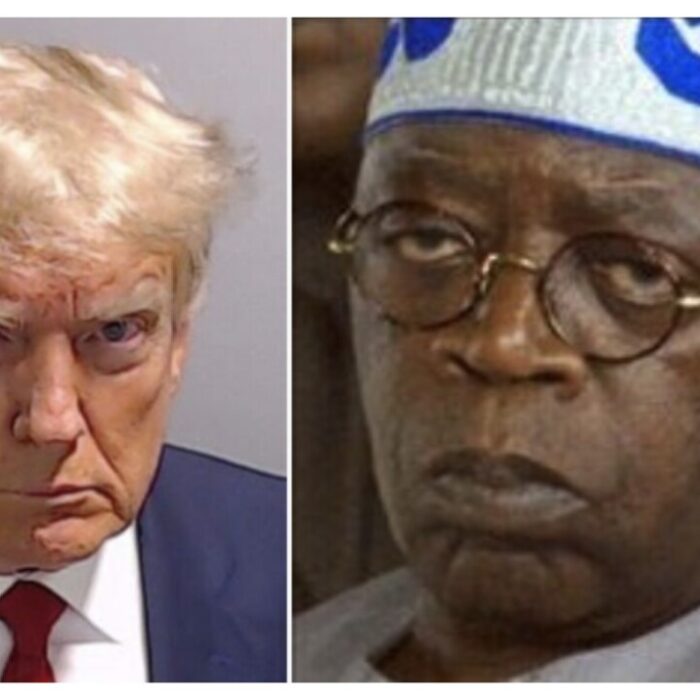
From the 2023 election, President Tinubu, the chief architect of our current hardship and misery, and the APC hegemons appear to have drawn a clear strategic lesson, one they will likely try to repeat in 2027: Keep turnout as low as possible. Low turnout is a rigger’s paradise. It reduces the number of marginal votes needed to win, lowers the cost of vote buying, and makes ballot stuffing, vote count manipulation, and interference with transmission easier to carry out.
That is why there is one thing that keeps APC awake ahead of 2027: voters showing up in numbers too large to rig.
Let me be clear. This political behavior is not unique to the APC. The PDP exploited the same asymmetric incumbency advantage during its long years in power. Across parties, the playbook is familiar and consistent.
It does not stop at low turnout and vote buying. Politicians also know how gullible Nigerians are and how easily our attention can be diverted. They offer small cash, inflame tribal, religious, or regional tensions, and we turn on each other instead of confronting the system that keeps failing us. The focus shifts away from holding politicians accountable and back to division and tribal name calling.
We see it clearly in how we defend political figures.
For some Yorubas, Tinubu can do no wrong, despite several policy fiascos, a clear lack of policy coherence, and the hardship his leadership has imposed on millions of Nigerians, including his own tribespeople. No president in recent history has caused as much damage in such a short period, yet some of his tribespeople, especially the home court media and talking heads, still view him as beyond reproach.
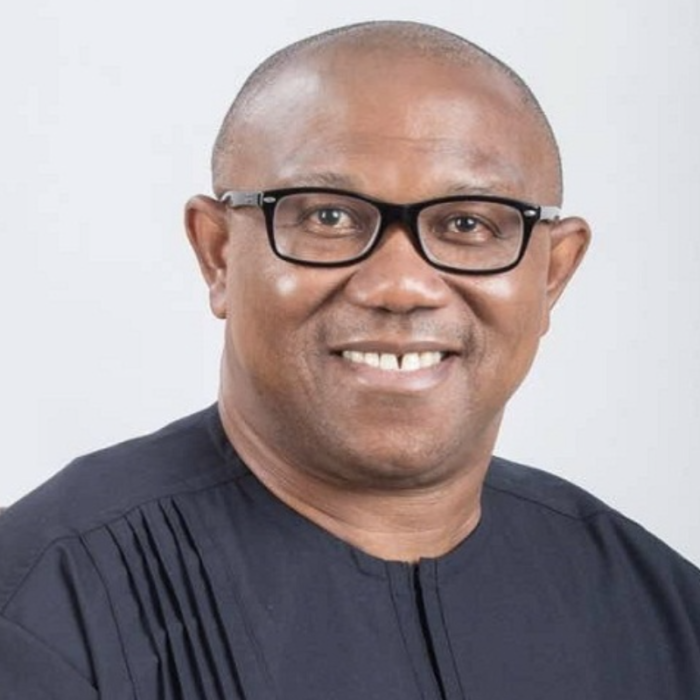
For some Igbo supporters, Obi is cast as a messiah, despite clear limits on presidential readiness, gaps in problem solving capacity and policy depth, and personal ambition often placed above national interest.
For some Hausa and Fulani loyalists, Atiku is treated as the default choice, regardless of concerns about his character, fitness for office, a long record of alleged corruption, the risk of international isolation, and repeated rejection by a majority of voters. Even as the rest of the country has lost count of how many times it has said no to his presidential bids, these hard core supporters still will not stand down.
These career politicians come from the same rotten political culture built on corruption, unaccountability, impunity, incompetence, lack of vision, and moral collapse. They are not capable of delivering the change we need or the basic results people deserve.
Yet they remain effective at one thing: exploiting tribal divisions, playing us against one another, and turning elections into a contest of “us versus them.”
As a result, once we reduce leadership to tribal and regional identity, we stop asking hard questions. We stop demanding results. Loyalty replaces scrutiny, and accountability disappears. This is where we are today.
And this is not harmless. It shields failure, excuses poor performance, and rewards mediocrity. It allows politicians to hide behind ethnic loyalty instead of earning public trust through competence and results. It deepens division and keeps us distracted while the same problems persist. In the end, as long as we think this way, we make it easier for politicians to control us and harder for the country to move forward.
Yet this is our collective weakness and affliction. Many of us are gullible, emotional and reactive, easily manipulated, bought, and influenced by politicians. We do not lack awareness or intelligence. We lack the discipline to recognize when we are being used and abused, when we are drawn into a cycle where short term emotion overrides our long term judgment.
Breaking this cycle before 2027 will require us deciding that participation, however imperfect, is still preferable to surrendering the future to cynicism and apathy.
As long as we remain pawns, the same outcomes will repeat. The same incompetent, corrupt, and criminal politicians will continue to loot and embezzle our common wealth, and continue to destroy our economy and society for their own selfish interests.
But there is a way out. It starts with discipline. We register. We show up. We refuse to sell our votes. We reject division. We hold ourselves to a higher standard before we demand better from those who lead us.
That is how we break the cycle.
*About the Author
Nnaoke Ufere is a leading voice in African public thought and policy. He writes a weekly opinion column for the African Mind Journal, where his work shapes national conversations on leadership, governance, and reform. Through literary activism, he advances democratic accountability and inclusive development. He is the author of Covenant With Nigerians: Reversing Our Country’s Decline. Nnaoke graduated from the University of Nigeria, Nsukka with a first class honors degree in Electrical/Electronic Engineering in 1981. A Harvard MBA alumnus and PhD holder in Strategic Management from Case Western Reserve University, Ufere is an influential author, public intellectual, and global development analyst whose insights on U.S.-Africa relations and institutional accountability continue to challenge the status quo and inspire change.